ServicesWindow Replacement
Window Replacement in Flower Mound
We replace tired, drafty windows with well-built units and glass chosen for long, hot summers. Each window is measured for its own opening, installed with care for the trim and walls around it, and finished so the rooms behind it stay steadier and quieter.
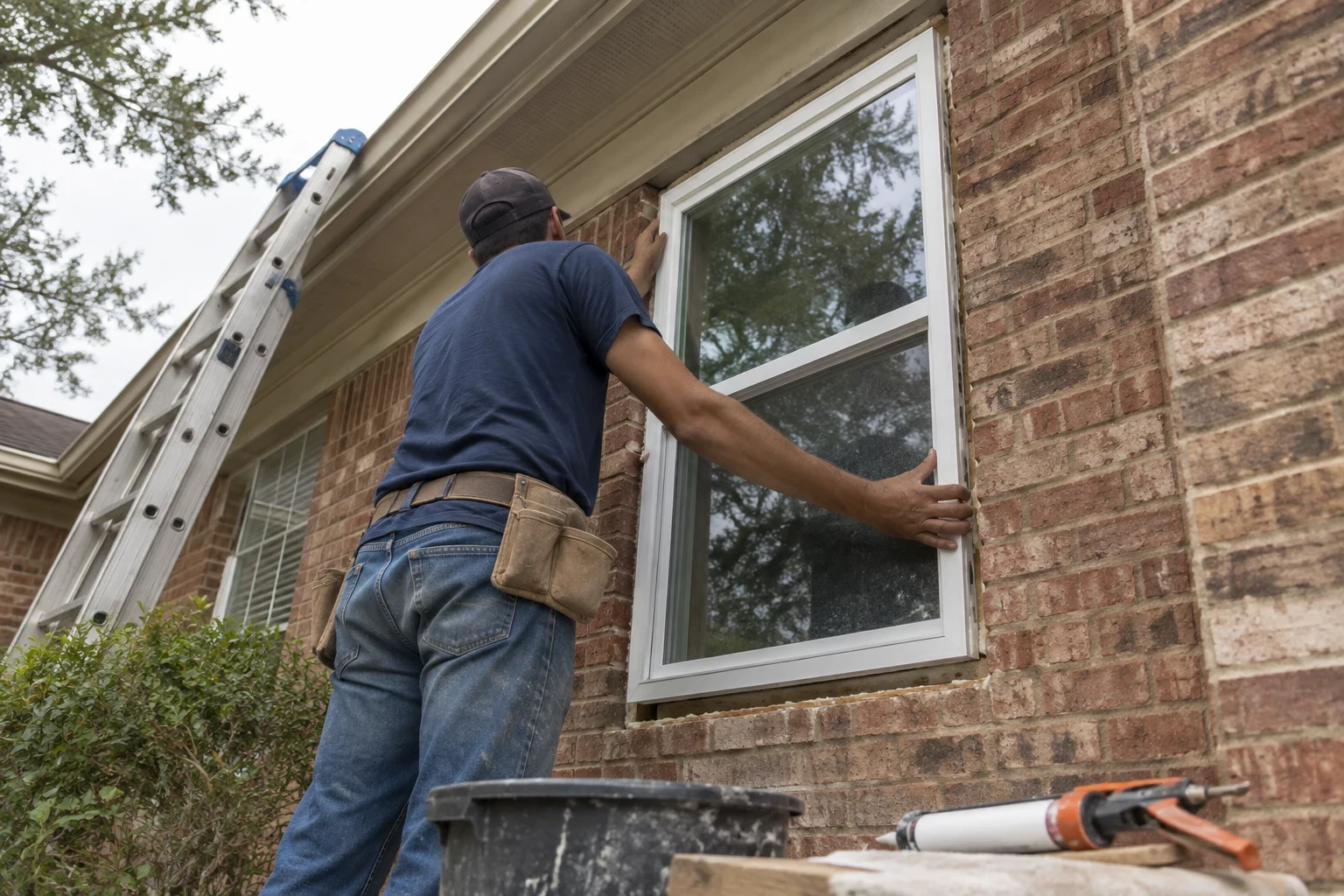
When new windows are the right call
Windows wear out slowly. Seals let go, frames shift, and glass that was ordinary twenty years ago lets a lot of heat into your home by early afternoon. Replacement makes sense when the problem lives in the unit itself: failed insulated glass, warped or corroded frames, or single-pane and early double-pane windows that simply cannot keep up with your air conditioning.
Plenty of Flower Mound houses were built with basic aluminum frames or early vinyl, and those units are often still in place. Trading them for windows with Low-E coatings and gas-filled insulated glass cuts the solar heat that reaches the room, so the cooling system runs less and the rooms nearest the glass feel more like the rest of the house.
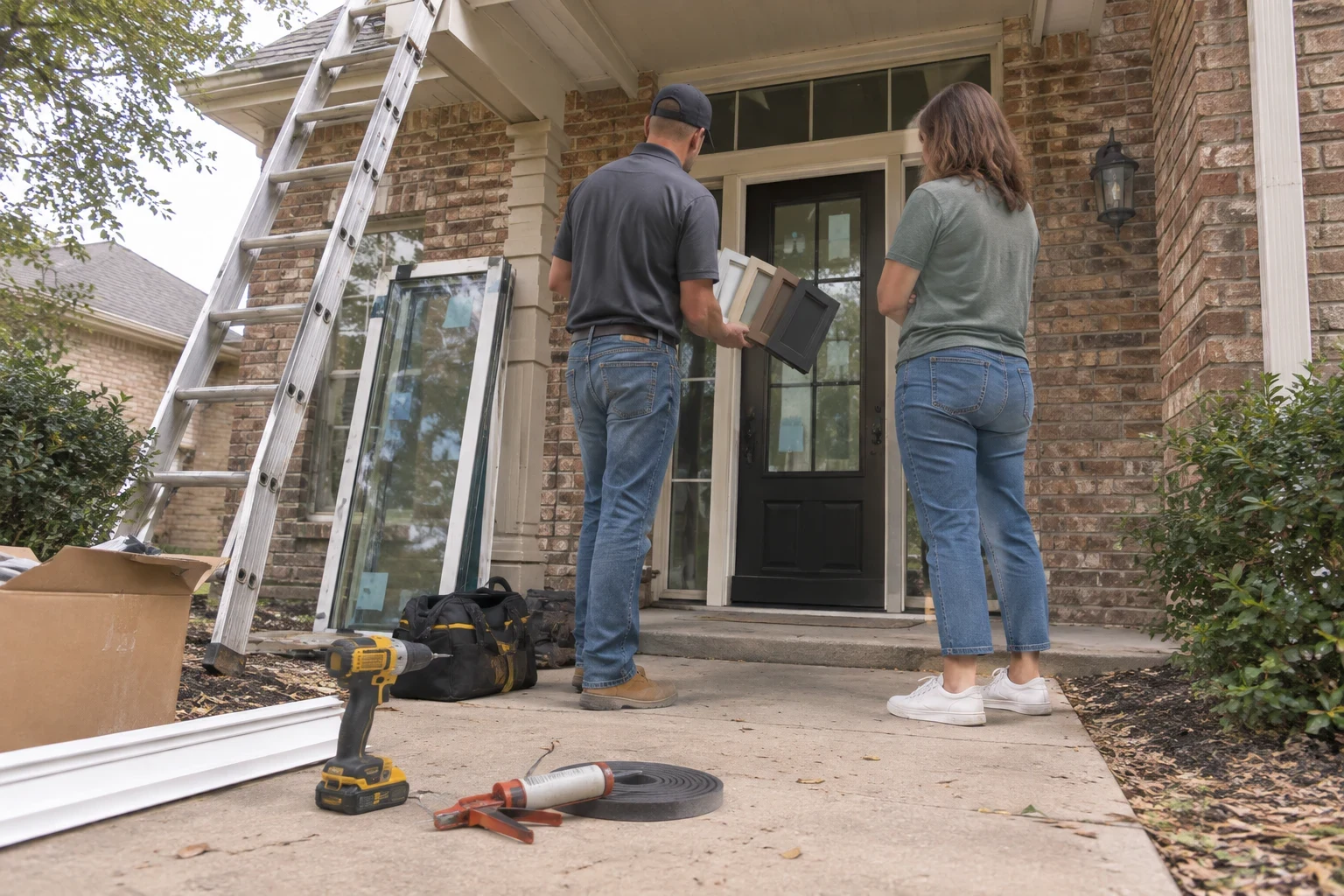
We start every project with a visit to your home. We look at each opening, talk through what is bothering you, and give you a straight answer about which windows need attention now and which can wait.
What our window replacement includes
Measurements for every opening
We measure each window individually, because openings that look identical rarely are. Your windows are built to those numbers, not to a stock size with shims to make up the gap.
A glass package chosen for the exposure
West- and south-facing walls take the hardest sun, so we look at solar heat gain as closely as insulation value. We explain the U-factor and SHGC ratings in plain terms so you can see what you are paying for.
Insert or full-frame installation
If the existing frame is sound and square, an insert installation keeps your interior trim and exterior finish intact. If we find soft wood or water damage, we recommend full-frame and show you why.
Proper sealing and flashing
Low-expansion foam fills the gap around each unit, and exterior sealant and flashing are detailed to shed rain. This is where most drafts and leaks start, so we do not hurry it.
Haul-away and cleanup
Drop cloths go down and nearby furniture gets covered before any window comes out. The old units leave with us, and each room is vacuumed once its new window is in.
When your windows are telling you it is time
- A cloudy haze inside the glass
- Moisture or a milky film sitting between the two layers of glass means the insulated unit's seal has failed. The gas that once filled the space is gone, and the window now performs close to a single pane.
- Rooms that never cool down
- If one side of the house stays warm into the evening while the thermostat holds, the glass on that wall is often the cause. Older clear glass passes a large share of the sun's heat straight through.
- Sashes that stick or will not lock
- Frames that have warped or settled make windows hard to open, close and lock. That is a comfort problem and a security one.
- Drafts and whistling on windy days
- Worn weatherstripping and gaps around the frame let air move freely. You may feel it at the sill or see curtains shift with the window closed.
- Pitted aluminum or chalky vinyl
- Corrosion, cracked corners and faded, brittle frames are signs the material is near the end of its life.
How a window project runs
- 1
A visit to your home
We go room by room with you, take measurements and compare window styles, frame options and glass choices side by side. Afterward you receive an itemized estimate showing each window on its own line, so the cost of every opening is clear.
- 2
Ordering your windows
Once you approve the estimate, we place the order for units built to your measurements. We confirm the install date with you when they are ready, and check whether the town requires a permit for your project.
- 3
Installation day
We lay drop cloths, take out one window at a time, and set the new unit level and plumb. Each opening is foamed, sealed and trimmed before we move to the next, so your home is never left open for long.
- 4
Walkthrough before we leave
Together we test each window, opening it, closing it and checking that the latch catches. We demonstrate how the sashes tip inward for easy cleaning, and we leave the rooms as tidy as we found them.
What sets the price of your new windows
We price every opening separately, based on the work it actually calls for. Your written estimate shows that detail line by line, so the total you approve is the total you pay. To help with the budget, $0 Down on the whole project is available, along with 0% Financing options for paying over time.
- How many windows, and what kind
- Standard double-hung windows are priced one way; large picture windows, casements, arches and other custom shapes another. More glass and more working hardware mean a higher cost.
- Frame material and glass
- Vinyl, fiberglass and composite frames differ in price and in how they stand up to heat. Upgrading to stronger Low-E coatings, triple-pane or laminated glass also changes the total.
- Shape the existing openings are in
- When the old frames are solid, an insert install keeps labor down. Rot, water damage or openings out of square mean full-frame work, with more time and materials.
- Windows that are hard to get to
- Second-floor windows, those behind shrubs or ones above a roofline need ladders or staging and extra time to put in safely.
Window replacement questions
- Will new windows really lower my cooling bills?
- In most homes with older clear glass, yes, the difference is noticeable. Low-E coatings reflect much of the sun's heat before it reaches the room, and a tighter installation stops conditioned air from leaking out. How much you save depends on the windows you replace, which way they face and the rest of the house, so we will not promise a number.
- Can I split the project into phases?
- Yes. Plenty of our customers begin with the walls that run hottest or the windows in the worst shape, then finish the rest in a later season. We point out which openings will make the biggest difference and price them separately, so a phased plan is easy to follow.
- What is the difference between vinyl and fiberglass frames?
- Quality vinyl is efficient, low-maintenance and usually the more economical choice. Fiberglass is stiffer and moves less with temperature swings, which helps on large openings and dark exterior colors. At the consultation we have frame samples on hand, so you can compare the two up close before deciding.
- How long does installation take?
- It depends on the number of windows and whether they need insert or full-frame work. We give you a realistic schedule with your estimate, and we finish each opening before moving to the next, so rooms are closed up at the end of the day.
- Will installation damage my walls or trim?
- Insert installations leave interior drywall and trim in place. With full-frame work, some trim has to come off; we explain beforehand what will be replaced and finish it cleanly so the window looks like it belongs there.
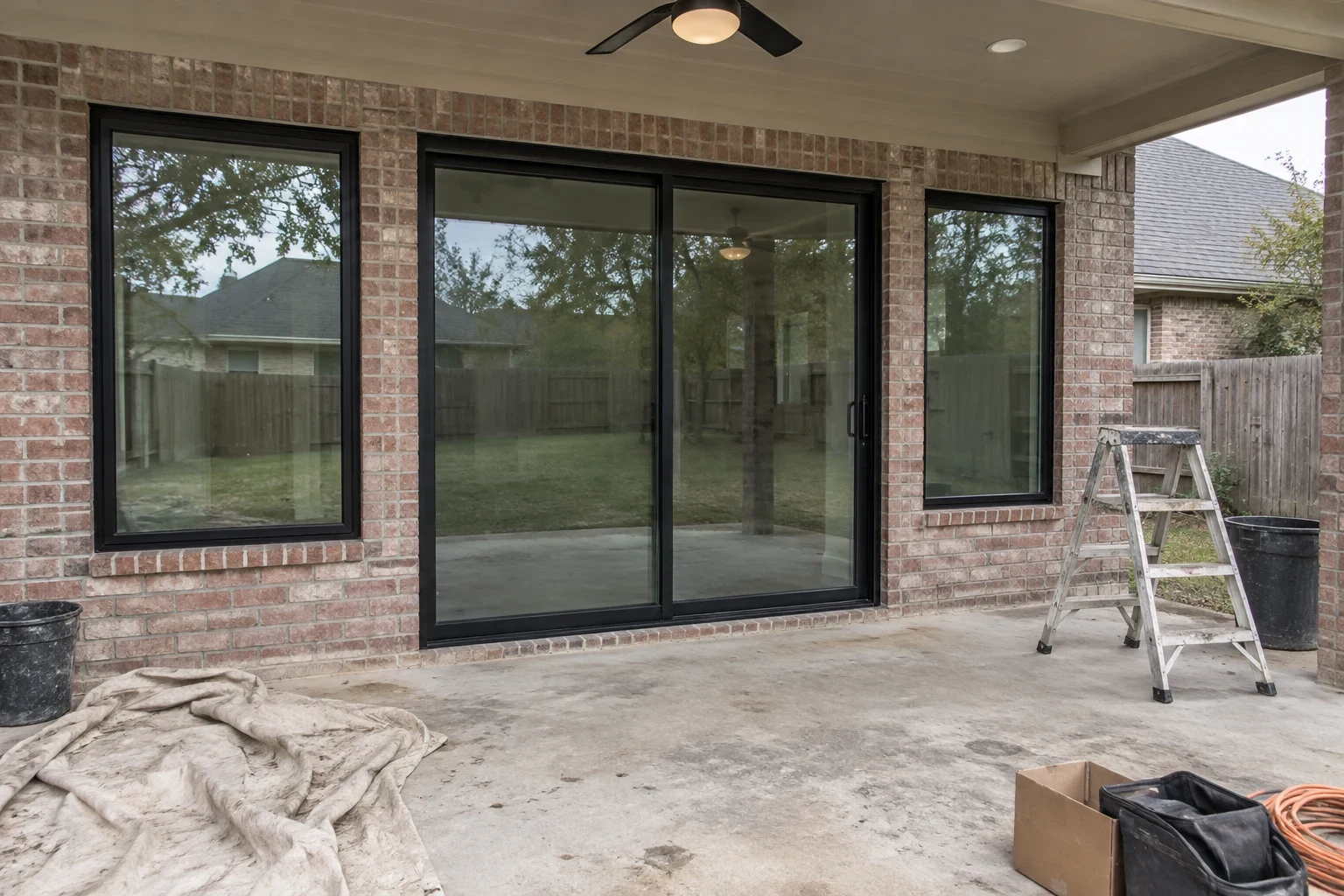
See what new windows could do for your home
We will come out, measure every opening and walk you through the glass and frame options that make sense for each wall. You get a written estimate and time to think it over.