ServicesStorm Doors
Storm Doors in Flower Mound
We fit storm doors that close quietly, seal against the frame and protect the entry door behind them. You choose the glass, screen and finish. We measure carefully, install it square and leave your entryway clean. It starts with a calm conversation at your home.
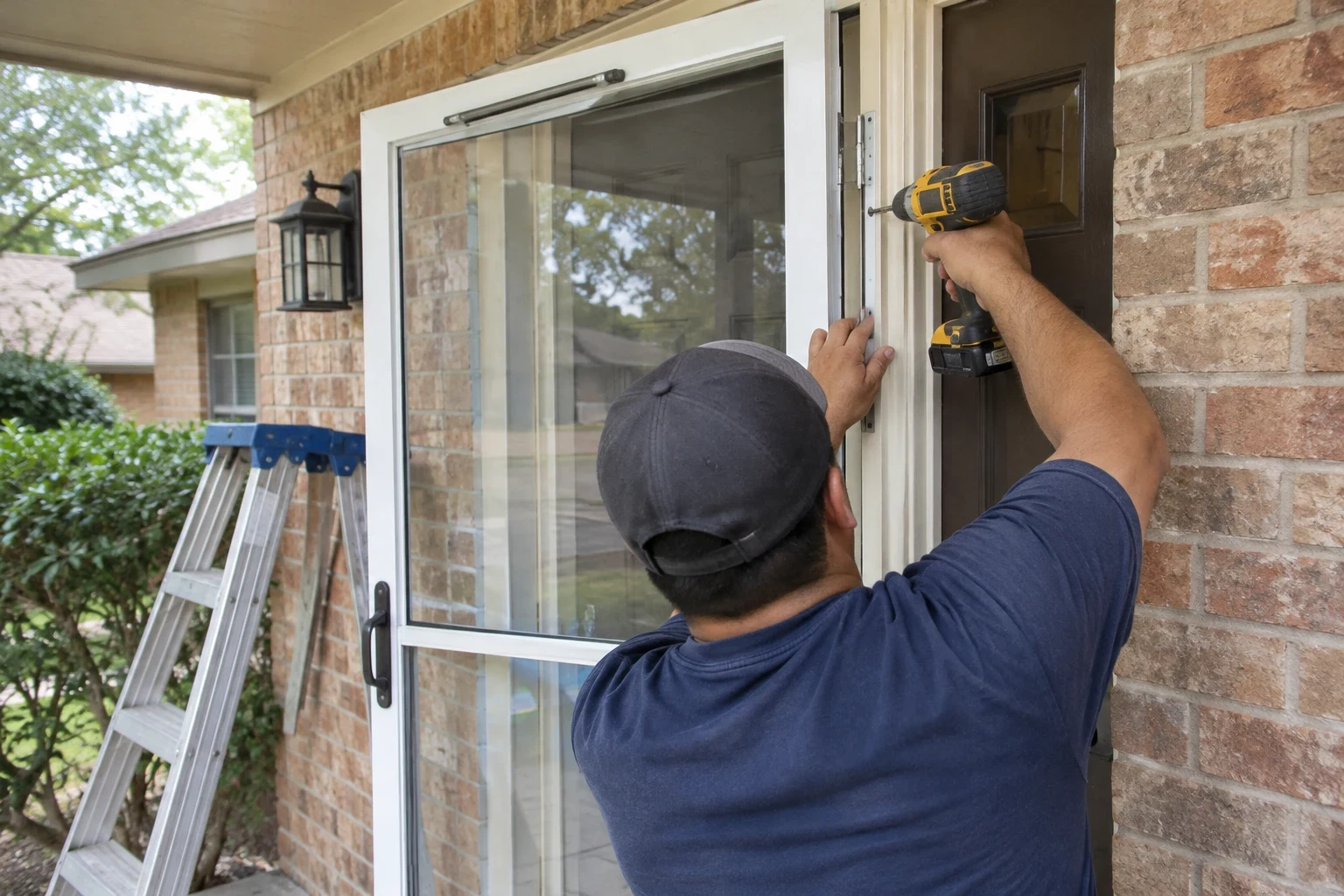
What a Storm Door Does for Your Home
Think of a storm door as an outer layer for your front entry. It hangs on the exterior trim, in front of the door you already have, and takes the rain, hail and direct sun that would otherwise wear on it. On mild spring and fall days it also lets you open the main door to a screened breeze without inviting insects inside.
Comfort is part of the picture too. A storm door that seals well holds a pocket of still air against your entry door, and that pocket slows the drafts that slip past an older door and its threshold. If your entry door is newer and well insulated, the energy benefit is modest, and we'll say that plainly. Then the real return is protection and fresh air.
The glass deserves more thought than it usually gets. Full glass across a dark front door on a south- or west-facing entry can build up serious heat during a North Texas summer. Before we suggest a style, we note which direction your door faces and how much afternoon sun it gets.
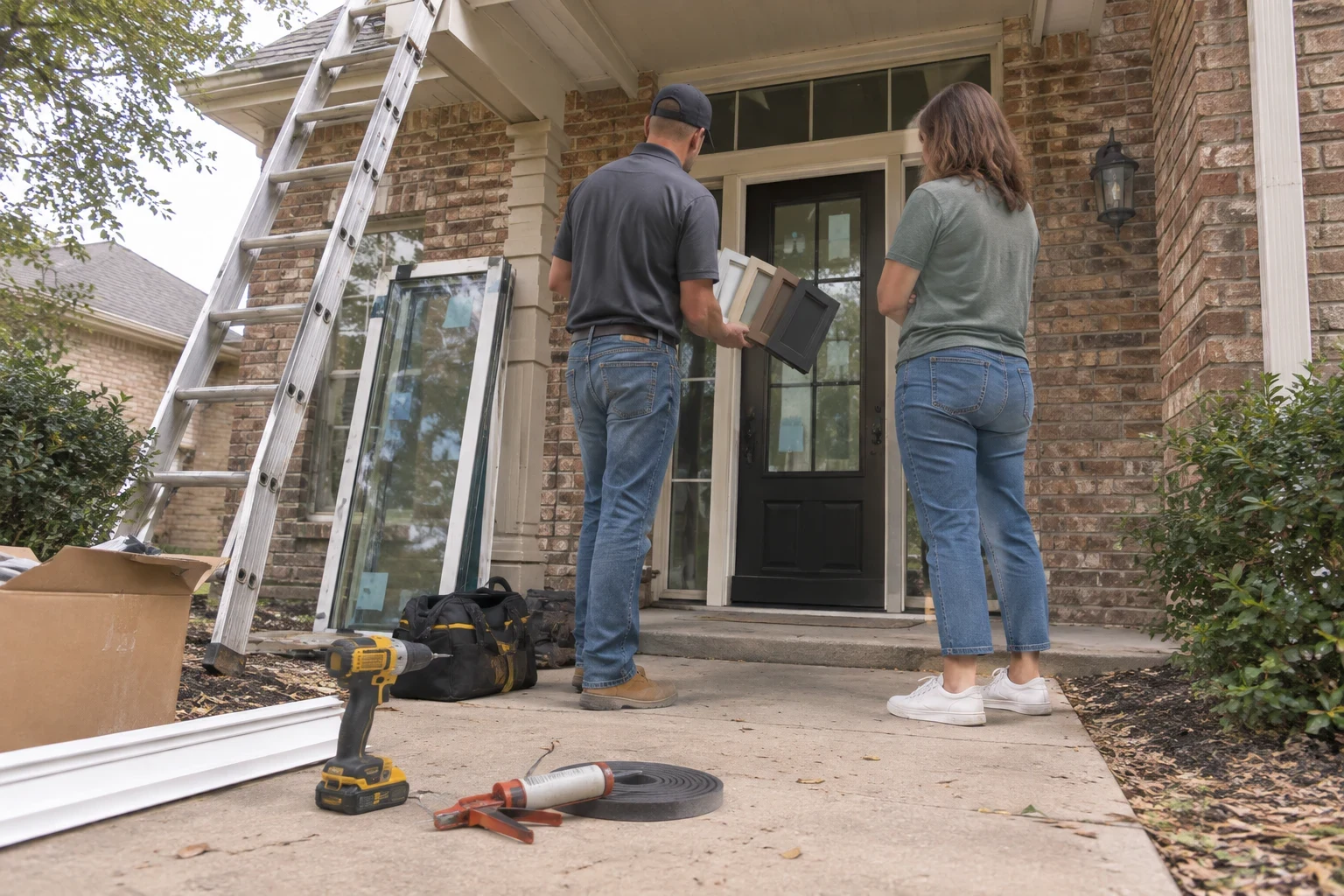
What Your Storm Door Installation Includes
- 01
Measurements taken at the opening
We check the brick mold or exterior trim in several places, since few older openings are truly square. Those numbers set the door size and tell us how much the frame expander has to cover.
- 02
Choosing a style and glass
Full-view, mid-view and high-view designs trade light, privacy and airflow in different ways. Low-E glass, which reflects heat, is available and makes the most sense on entries that face the sun.
- 03
A screen you'll actually use
Retractable screens roll out of sight when you don't need them, while interchangeable panels switch between glass and screen with the seasons. We talk through both so the choice fits your routine.
- 04
Closer, sweep and handle set
Every door comes with a handle set, a pneumatic closer matched to the door's weight and a bottom sweep that meets the threshold. A wind chain or hold-open keeps a sudden gust from wrenching the hinge side.
- 05
Sealed edges and a careful finish
The drip cap and side rails are sealed so water sheds away instead of working in behind the frame. We match the finish color to your trim or entry door and set every screw so the door stays quiet.
- 06
Haul-away and a tidy entry
When there's an existing storm door, we remove it and take it with us. Your entry is covered while we work and swept clean before we leave.
Questions about Storm Doors?
Call(972) 427-5462When Your Storm Door Is Due for Replacement
Banging shut or drifting open
When the closer wears out or the frame shifts, the door either slams or never quite catches. That repeated strain gradually loosens the hinge rail and its screws.
Drafts at the threshold
Cool air near the floor or along the latch side on a fall morning usually points to a flattened sweep and tired weatherstripping. A new door, sealed correctly, closes that gap.
A front door losing its finish
Rain and sun break down the paint or stain on wood and fiberglass entry doors. The right storm door glass slows that wear.
Damaged screens or cloudy panels
Cracked glass, yellowed acrylic or a bent screen frame make the door a chore to use. Replacement parts for older models are often hard to track down.
Hail dents in the panels
An aluminum storm door absorbs hail so your entry door doesn't. When the panels are dimpled and the frame has twisted out of line, a new door is usually the better choice than trying to straighten the old one.
How the Work Goes, Start to Finish
- 1
Consultation at your home
We look at your entry, note which way it faces and measure the opening. You see samples of finishes, glass and screens, and you get a clear written quote.
- 2
Ordering your door
Once you've decided, we order the door in the size, color and hardware you chose. We confirm the details with you before it goes in.
- 3
Installation day
We protect the floor and steps, remove the old door if there is one, then hang the new frame plumb and level. The expander is trimmed to close any gap at the threshold, and the drip cap and sides are sealed.
- 4
Adjustment and walkthrough
We set the closer speed and latch tension so the door shuts gently and seals on its own. Then we show you how the screen, lock and hold-open work.
What Goes Into a Storm Door Quote
Most of the price comes down to the model you choose and the condition of your doorway. Your quote lists each piece separately instead of rolling it into one figure. Ask us at the visit about $0 Down on the whole project or our 0% Financing options, and we will walk you through how each works.
- How heavily the door is built
- Heavier aluminum and solid core rails cost more at the outset, yet those doors keep their shape and close quietly for years longer than light, flimsy models.
- Glass and screen choices
- Plain glass with fixed screen panels is the lower-cost route. A retractable screen, tempered glass or low-E glass moves the price higher.
- The shape of your doorway
- Standard sizes go in most easily. Unusual widths, out-of-square frames and trim that must be repaired beforehand all take extra labor and material.
- Locks, handles and color
- Adding a keyed deadbolt, a heavier handle or a color to match your trim increases the total. Since every upgrade has its own line, you decide which ones earn their cost.
Common Questions About Storm Doors
Can heat behind the glass hurt my entry door?
Yes, when the glass and door color don't suit the sun exposure. A dark front door sitting behind full glass in strong afternoon light can heat up enough to damage its finish. We note which way your entry faces and suggest low-E glass or a ventilating style where heat could build up.
Will a storm door lower my energy bills?
The biggest gain comes on older entry doors that let air slip around the edges. The sealed pocket of air slows those drafts and reduces heat moving through the door. With a newer insulated door, the difference is small, and we'll tell you that honestly.
Which is better, a retractable screen or interchangeable panels?
A retractable screen suits you if you like to open the door for air without planning ahead. Interchangeable panels have fewer moving parts and give you full glass through the cooler months. The deciding factor is usually how often you really open up for a breeze.
My door opening isn't square. Can you still install one?
In most cases, yes. Storm doors typically come with an adjustable expander at the bottom, and we shim the hinge side so the door hangs straight. If the trim itself is in rough condition, we'll show you during the consultation.
Can I replace my entry door and add a storm door together?
You can, and planning them as one project often works well. Through our entry doors service we coordinate both, so the sizes, colors and hardware match from the beginning.
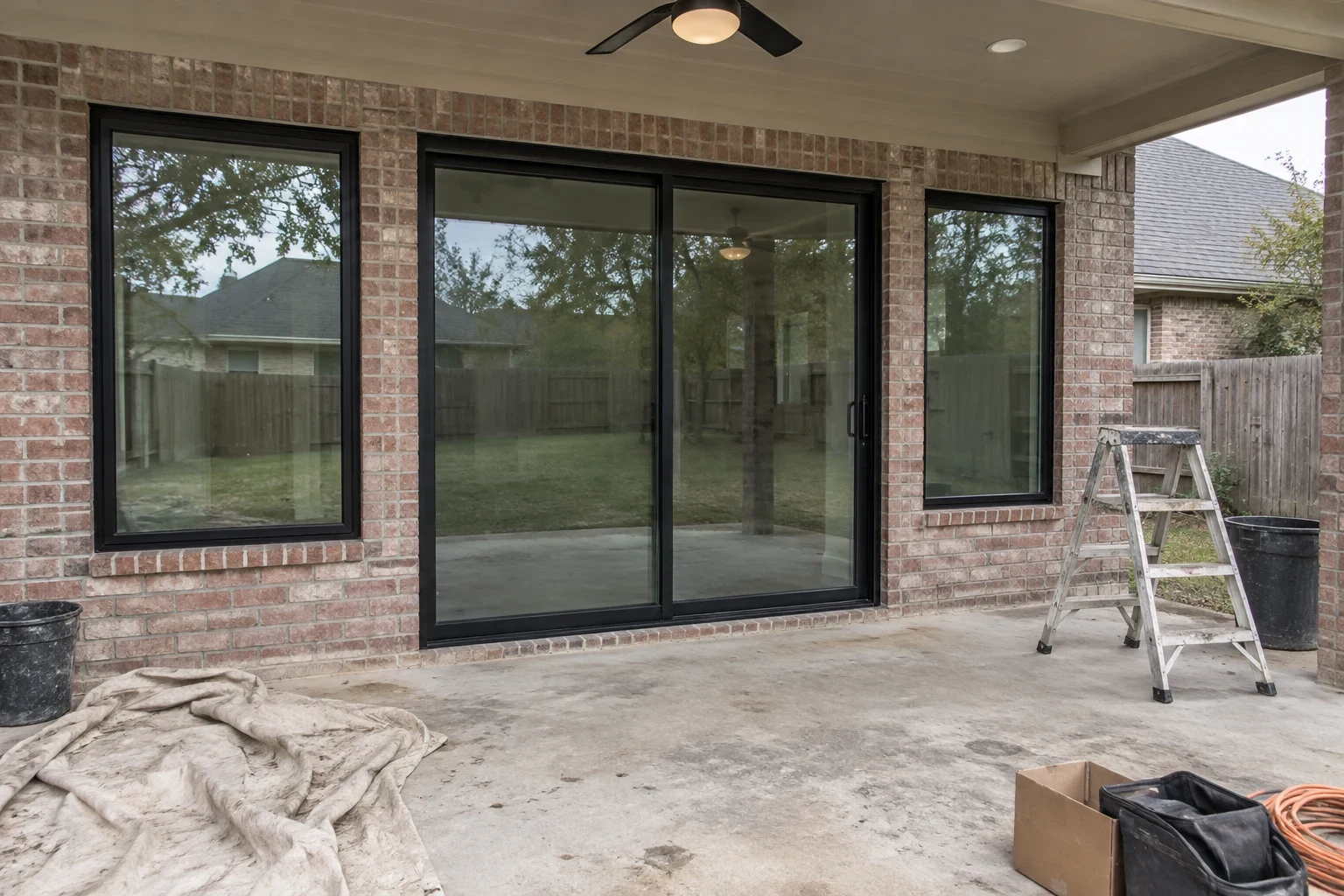
See What Fits Your Entry
We'll visit, take measurements at your front door and show you glass, screen and finish options side by side. Afterward you'll have a written quote to consider in your own time.